


There is nothing as frustrating as the infestation of insects. Insects are nuisances that raid in multitude, damaging goods, and are sometimes very harmful. There are different methods to control different insect infestations, for instance, the method used to get rid of mosquitoes and Japanese beetles is different from how to get rid of Boxelder bugs.
Boxelder bugs are not as harmful as mosquitoes, June bugs, and Japanese beetles but they destroy beautiful walls and pollute the atmosphere with their unpleasant stench. So, here are mess-free steps on how to get rid of Boxelder bugs permanently.
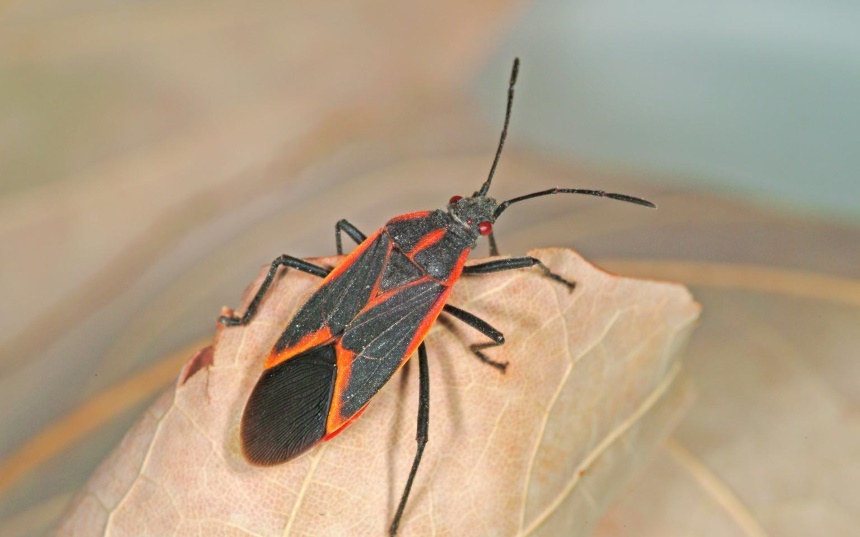 Boxelder bugs biologically known as Boise trivittata are the major pests that feed on the boxelder tree, thus their name. During spring and summer, the bugs feed off female, seed-bearing, or male boxelder trees, ash, maple, and other trees producing fruits. They do not make any major damage to the trees or fruits but they can be bothersome when they infest in swarms. Therefore, you can learn how to get rid of boxelder bugs outside your house to prevent infestation inside your home.
In spring, the female Boxelder bugs lay their eggs in the leaves or trees of their host trees. There are reddish brown or rust red oval-shaped eggs. The color gives the eggs protection by allowing them to blend in with the color of the trees.
The nymphs emerge from the eggs after 10-14 days. They are similar but smaller than adults. They are 1.59mm long, red, and also wingless. They molt during summer and develop into fully-grown adult bugs for reproduction. It is rare to come across boxelder bugs during this stage.
Adult boxelder bugs are often confused with beetles because of their elongated oval shapes. Unlike beetles, boxelder bugs do not have smooth round surfaces to hide their wings. They display their black and yellowish orange-tinted wings boldly. The bugs are flat, 12.7mm long with 6 legs and two antennae that are half their body length.
Boxelder bugs inhabit the boxelder trees. They hatch, grow, feed, and reproduce on the boxelder trees. The trees are mostly found in the western states, eastern Canada, eastern United States, and west to eastern Nevada. They also inhabit maple and ash trees. They live outdoors in spring and summer. During winter, they raid indoors for warmth and comfort to overwinter.
The common diet of the boxelder bug is the boxelder tree seed. This is why they can spend their lifespan on the tree. They also feed on the sprouting leaves and fruits of plum and apple trees which would result in discoloration.
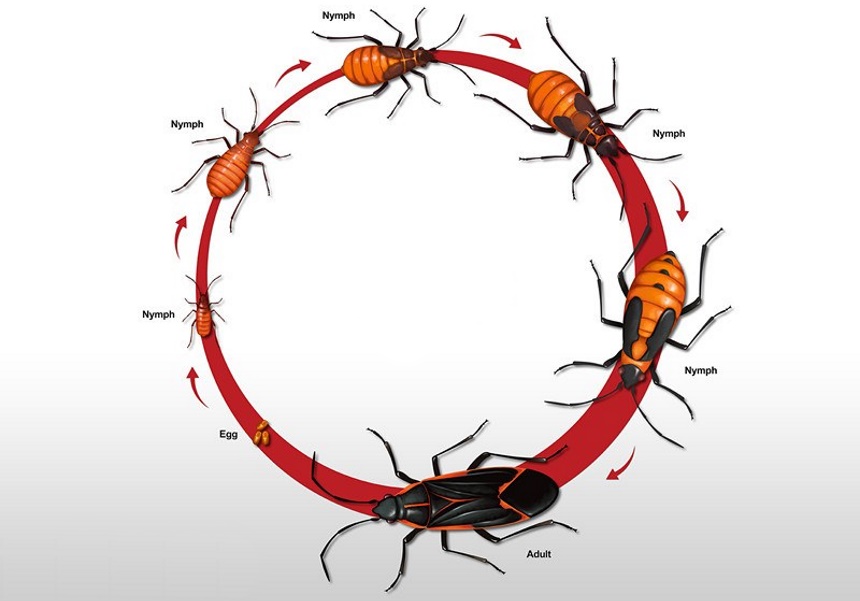 The boxelder bugs are from the rhopalidae family. They have a simple life cycle. They are also hemimetabolous insects because they have 3 developmental stages:
The eggs hatch into nymphs in 10-14 days. The nymph is the longest stage of the boxelder bug. They molt several times throughout summer until they develop into adults, ready to reproduce. The adult stage is also short because the lifespan of the bugs from hatch to death is short. However, they seek refuge and hibernate during winter to live long enough to produce during the next spring.
Boxelder bugs do not sting, transmit diseases or bite unless they are threatened. They do not cause damage to household equipment or plants during their hibernation.
However, they possess a distinctive stench that makes them unbearable. They can also cause irritable stains to a bright surface when smashed. When they infest in multitude, boxelder bugs are a major inconvenience.
In adulthood, the bugs can fly for as far as 2 miles distance to find appropriate locations for warmth and hibernation. They infest your spaces by entering through cracks in foundations, structures, doors, and windows. You can apply 2 major methods to control and treat the bugs:
These methods are effective to help you get rid of boxelder bugs on plants, trees, in your homes, and outside. They both contain meticulous and different steps and solutions to the eradication of these stench bugs.
If you have boxelder trees around, you are sure to find these bugs in your home during winter. The outside treatment is best before winter because the bugs are still inhabiting trees outside. Preventing the infestation of these bugs into your home is the most important defense, here’s how.
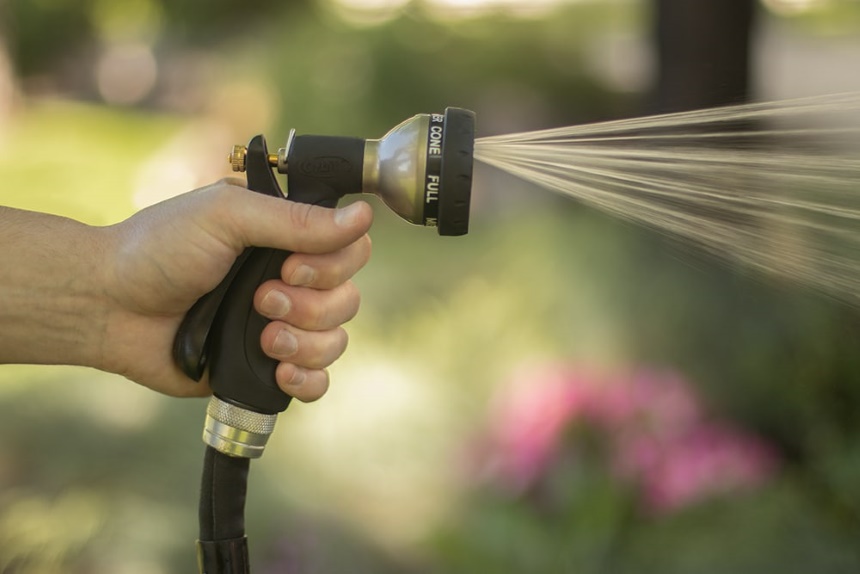 This method is used to reduce their congregation and discourage them from clustering together. It is effective with the use of a garden hose for easy application. This method gets rid of boxelder bugs naturally. However, this method does not kill or decrease the bugs, the force of the water will tear them apart and prevent them from infesting in swarms.
 This method involves a more chemical approach in an attempt to drive the bugs out of your surroundings. The diatomaceous earth, also used to get rid of ladybugs, is a pest-control chemical that contains organic, talc-like powder composed of the fossilized remains of microalgae to kill and drive bugs out. The chemical is sprinkled around the house and to the swarm to kill them.
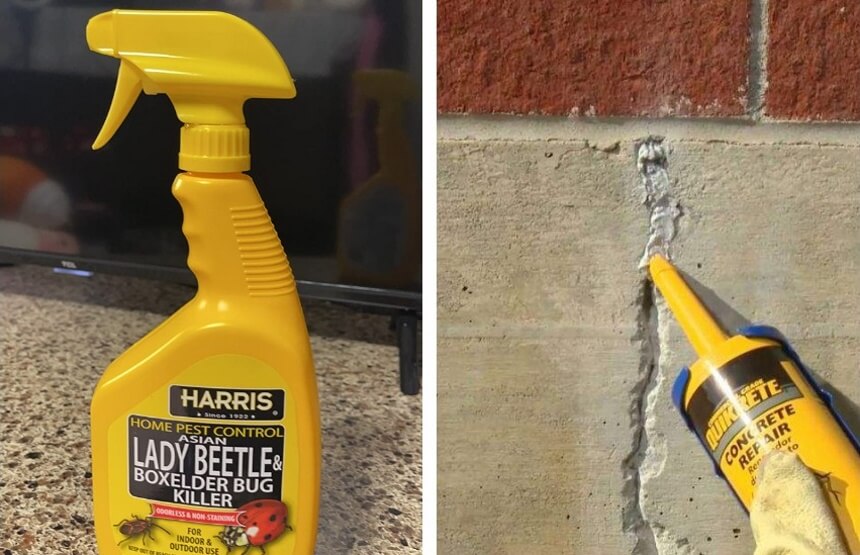 For outside treatment, spraying residual insecticides will prove effective. It is best to target the cracks and openings around the house. Residual insecticides like the HARRIS Asian Lady Beetle, Japanese Beetle, and Box Elder Killer are effective repellents. They last longer on the surfaces around the house, hence getting rid of the bugs days after application. Ensure that you wear protective gear when you use these chemicals. You can find the full kit for getting rid of boxelder bugs in the Overwintering Kit for Stink Bugs, Lady Bugs, Boxelder Bugs.
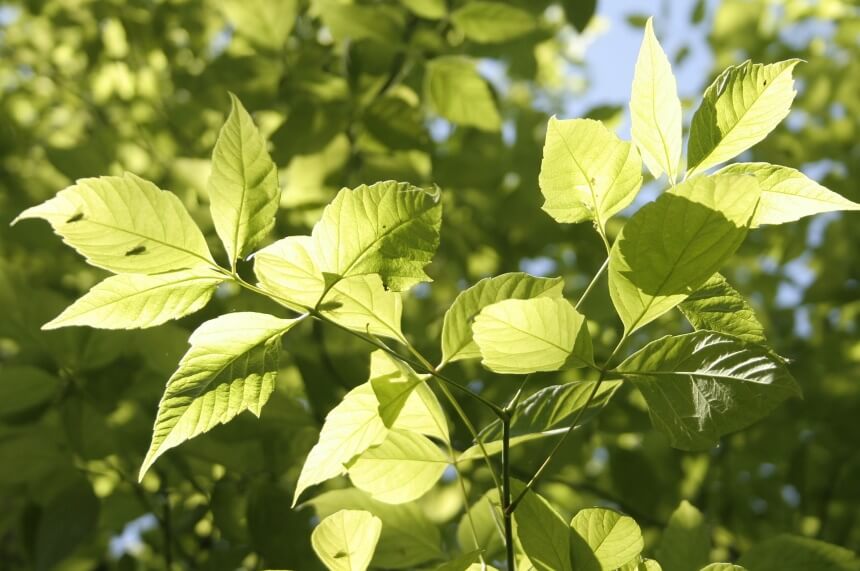 The major existence of the boxelder bug in your surroundings is because of the boxelder tree. To reduce them, trim the branches of the boxelder trees around your house or cut them off to banish them.
However, the older the trees, the more expensive it will be to cut them off. You could also be in a dilemma to pick between the benefits of the trees and the eradication of the boxelder trees.
If you are already battling with these nuisances in your home, you need not worry, there are safe and effective solutions.
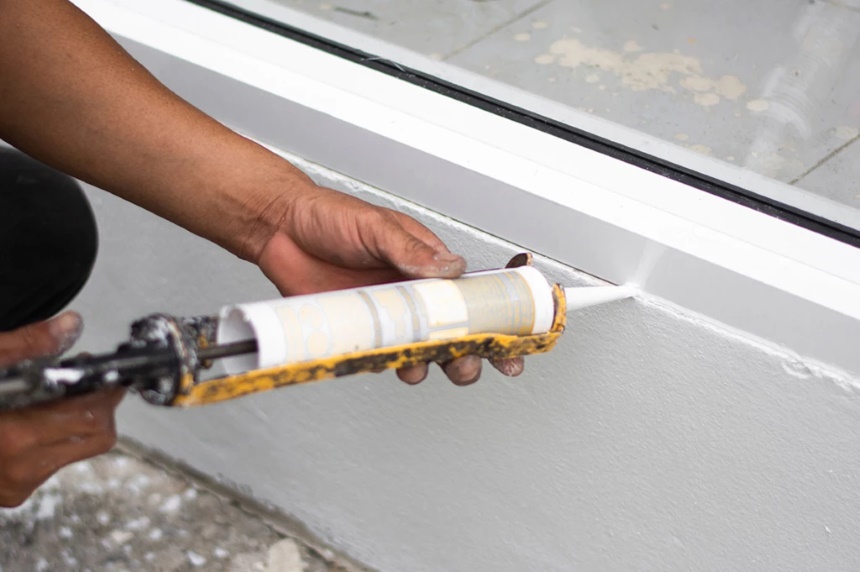 The first step towards inside treatment of the boxelder bugs is to stop more infestation. Look for their entry points or spaces like cracks and crevices around the doors, windows, and foundation, then seal them up.
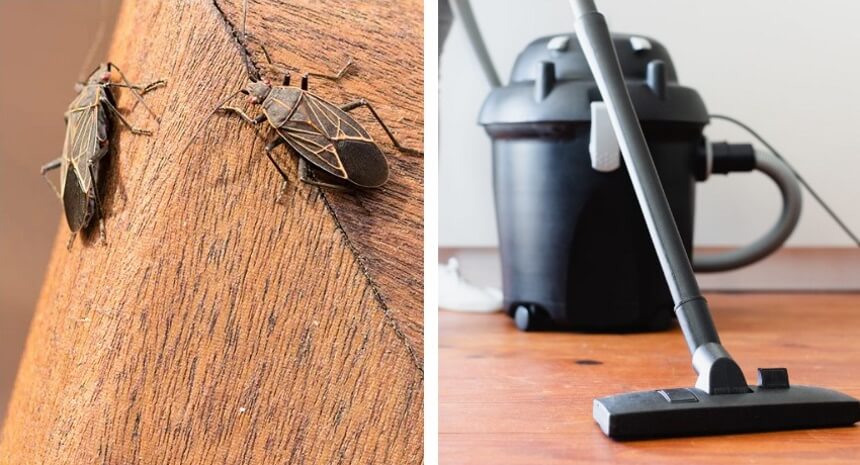 Do not smash or squash them on any surface in your house. If they don’t leave ugly stains, they will leave a dreadful stench. They could also bite you if you try to pick them up. So, vacuuming the bugs is your best option, kill and dispose of them immediately.
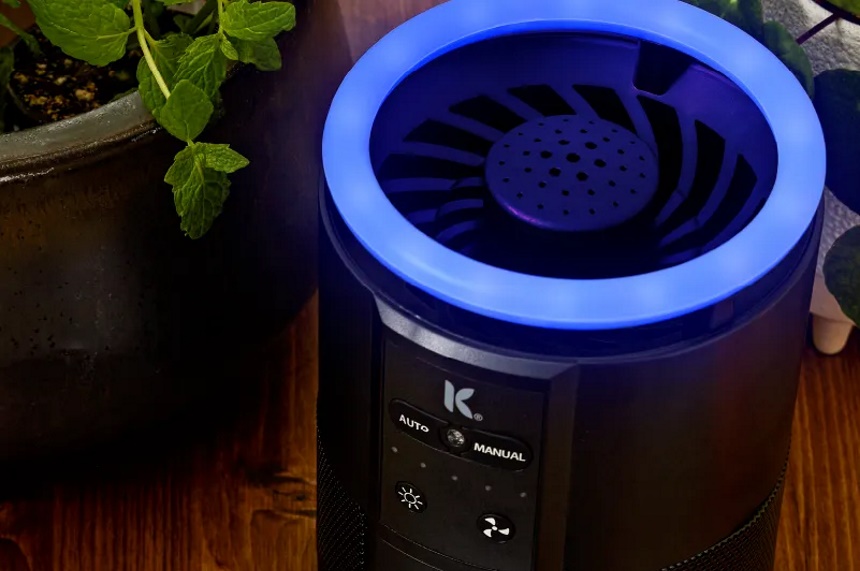 You possibly won’t find all the bugs in the house even after a thorough inspection. Use insect traps like glue or light to lure and trap these bugs. This method is similar to how to get rid of Japanese beetles, June bugs, and ladybugs. Dispose of them as soon as possible.
 To avoid the use of chemicals and inviting the infestation of other pesticide-resistant insects and rodents, you can make a soap spray. Soap spray is effective in killing boxelder bugs. Mix 1-2 tablespoons of soap in water and spray at your home. It is safe and non-toxic.
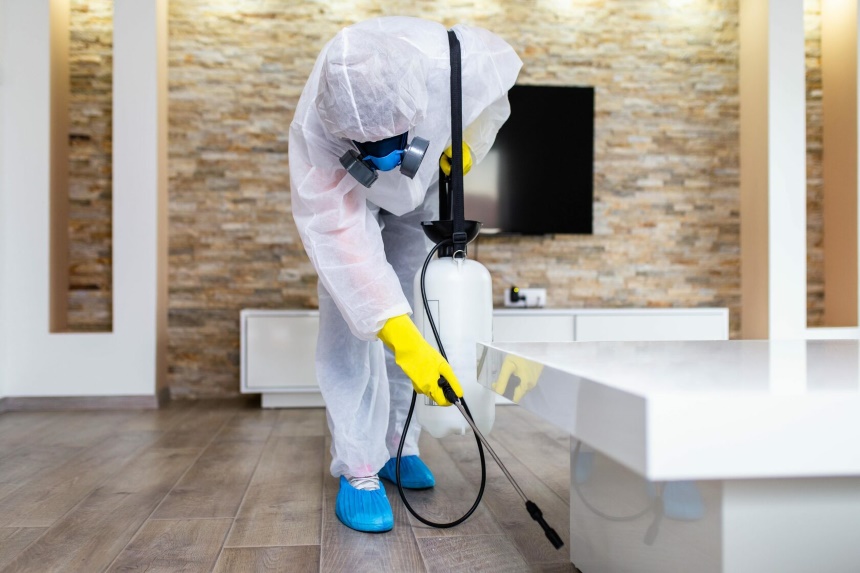 This is the best option when the infestation of the boxelder bugs is high. The professionals will terminate the bugs completely, dispose of them and take care of other pests that the boxelder bugs have encouraged.
The prevention of the boxelder bugs begins and ends with the outside treatment. You need to ensure that there are no bugs that will creep into your home after inside treatments. Get rid of infested plants, or trees. Repair doors, windows, or cracks that would attract bugs.
Now that you know how to get rid of boxelder bugs, ensure that you prevent your home from other infestations too. Learning how to get rid of Japanese beetle, June bugs, and ladybugs would be useful as they share some similarities with the boxelder bugs.